


Heavy-Duty Spare Parts Sourcing: From Supplier Negotiations to Final Delivery
Sourcing spare parts for heavy-duty vehicles is not always a straightforward purchasing process. What may appear to be a simple order can develop into a complex project involving supplier negotiations, logistics coordination, risk management, and continuous problem-solving.
In today’s increasingly complex international trade environment, transportation challenges, banking restrictions, sanctions, customs regulations, and supply chain disruptions can make even a relatively small shipment difficult to manage.
Successful procurement is therefore about much more than purchasing the required products. It requires coordination across every stage, from identifying suppliers to ensuring the safe delivery of goods at their final destination.
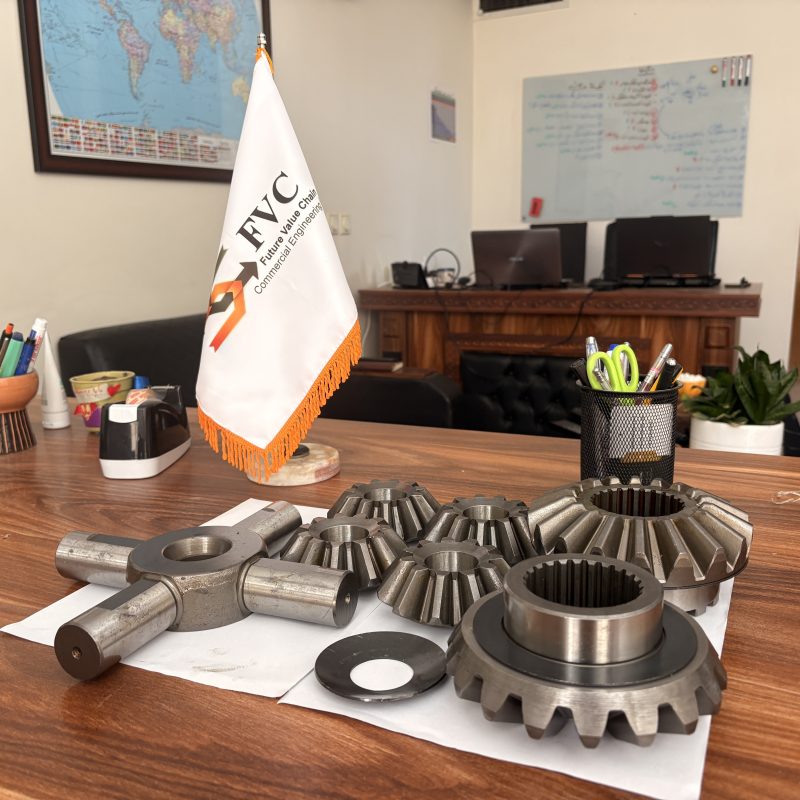
What Does Heavy-Duty Spare Parts Sourcing Involve?
Heavy-duty spare parts sourcing involves a series of commercial and operational activities. Each stage can influence the cost, delivery time, and overall success of a procurement project.
1. Identifying Requirements and Verifying Part Specifications
The first step is to understand exactly which parts are required and verify their technical specifications.
Important details may include vehicle models, part numbers, manufacturer specifications, required quantities, and compatibility requirements.
Accurate identification is essential because selecting an incorrect component can result in additional costs, delays, and operational difficulties.
2. Supplier Negotiations and Selection
Once the requirements are clear, the next step is identifying suitable suppliers and negotiating purchasing terms.
Key factors to consider include product availability, pricing, payment conditions, preparation time, shipping arrangements, and supplier reliability.
Effective supplier coordination helps reduce procurement risks and supports a smoother purchasing process.
3. Managing International Payments and Banking Restrictions
International payments can be one of the most challenging aspects of cross-border procurement, particularly in markets affected by banking restrictions or complex financial regulations.
Payment arrangements, applicable legal requirements, and transaction feasibility should be reviewed before a purchase is finalized.
Understanding the commercial route and coordinating between the parties involved are essential parts of this stage.
4. Transportation Planning and Logistics Coordination
Once the goods are ready, an appropriate transportation method and shipping route must be arranged.
For heavy-duty vehicle spare parts, logistics planning may involve factors such as cargo dimensions, weight, origin and destination countries, delivery schedules, transportation costs, and customs requirements.
Coordination between suppliers, freight providers, and other operational parties helps keep the shipment process organized.
5. Customs Procedures and Regulatory Compliance
Cross-border shipments must comply with the customs and trade regulations applicable to the countries involved.
Depending on the product and trade route, requirements may include accurate product classification, commercial documentation, origin information, and relevant import or export procedures.
Reviewing documentation and regulatory requirements before shipment can help reduce potential complications during transportation and clearance.
6. Shipment Tracking and Final Delivery
The final stage involves monitoring the shipment and coordinating its delivery at the destination.
Continuous follow-up, communication between operational parties, and awareness of shipment status are important throughout this process.
The safe delivery of goods represents the successful completion of the procurement and logistics operation.
Key Challenges in International Spare Parts Procurement
Sourcing heavy-duty vehicle components from international markets can involve several challenges.
Some of the most common include:
Banking and payment restrictions: International financial transactions may be difficult in certain trade corridors.
Sanctions and regulatory requirements: Applicable restrictions and legal requirements must be reviewed before transactions take place.
Customs procedures: Incorrect or incomplete documentation can create clearance difficulties.
Transportation disruptions: Changes in shipping routes or schedules can affect delivery timelines.
Supplier and logistics coordination: Multiple parties must work together to keep the process moving.
Supply chain risks: Delays or disruptions at one stage can affect the entire procurement operation.
Managing these challenges requires an integrated approach to purchasing, payments, transportation, and delivery.
Why Supply Chain Management Matters in Heavy-Duty Spare Parts Trade
In many industries, delays in receiving essential spare parts can affect maintenance schedules, repair operations, and business continuity.
This is why supply chain management goes beyond simply moving products from one location to another.
It involves planning, decision-making, supplier communication, risk assessment, and coordination of goods and information throughout the procurement process.
Better coordination between these activities can help businesses manage orders more effectively and reduce the impact of potential disruptions.
FVC’s Approach to International Sourcing and Logistics
Future Value Chain (FVC) operates in international trade, procurement, and supply chain solutions, supporting commercial connections between markets.
In heavy-duty vehicle spare parts projects, the process extends beyond purchasing the required components. Supplier negotiations, operational coordination, transportation planning, and shipment follow-up are all important parts of successful delivery.
In a recent project, a portion of the required heavy-duty vehicle spare parts was successfully delivered to the destination country after completing several stages of procurement and operational coordination.
This project demonstrates how a shipment that may appear simple from the outside can involve multiple decisions, continuous follow-up, and practical problem-solving.
Through its international business network and experience in trade operations, FVC aims to support more coordinated sourcing and logistics processes across international markets.
Frequently Asked Questions About Heavy-Duty Spare Parts Sourcing
What are the main stages of heavy-duty spare parts procurement?
The process generally includes identifying requirements, verifying technical specifications, negotiating with suppliers, arranging payments, planning transportation, handling customs procedures, and coordinating final delivery.
What are the main challenges in importing heavy-duty vehicle spare parts?
Challenges vary depending on the trade route and destination. Common issues include payment restrictions, customs regulations, transportation delays, legal requirements, and supplier coordination.
Why is risk management important in international procurement?
Unexpected issues such as supplier delays, payment complications, or transportation disruptions can affect project costs and delivery schedules. Risk management helps businesses identify and address these challenges more effectively.
What role does logistics play in spare parts sourcing?
Logistics covers transportation planning, route selection, freight coordination, shipment tracking, and final delivery. It connects procurement activities with the physical movement of goods.
Is spare parts sourcing limited to purchasing products?
No. Purchasing is only one part of the process. Supplier negotiations, technical verification, payment arrangements, transportation, customs procedures, and delivery coordination are also essential.
From Procurement to Reliable Delivery: Building a Connected Supply Chain
In international trade, a successful procurement project is not defined by purchasing the goods alone. Managing every stage through to final delivery is equally important.
From supplier negotiations to transportation coordination and operational problem-solving, every decision contributes to the final outcome.
Future Value Chain (FVC) welcomes cooperation with businesses and commercial partners seeking international sourcing, logistics, and supply chain solutions.
Connect with the FVC team to explore potential business opportunities.
Connecting Markets, Creating Value.