


Automotive Fuel Pump Production: From Reverse Engineering to International Manufacturing
The fuel pump is one of the essential components of a vehicle’s fuel delivery system. Its primary function is to transfer fuel from the tank to the engine, helping ensure that the engine receives the fuel supply required for proper operation.
Developing and manufacturing this component requires a clear understanding of its structure, technical specifications, and production requirements. In this process, reverse engineering and cooperation with experienced manufacturers can play an important role in turning technical knowledge into a market-ready product.
At Future Value Chain (FVC), the development of an automotive fuel pump began with reverse engineering and a detailed review of its technical specifications. Through cooperation with a reputable manufacturer in China, the product moved into the design and manufacturing stages. It is now ready to be introduced to the Iranian market.
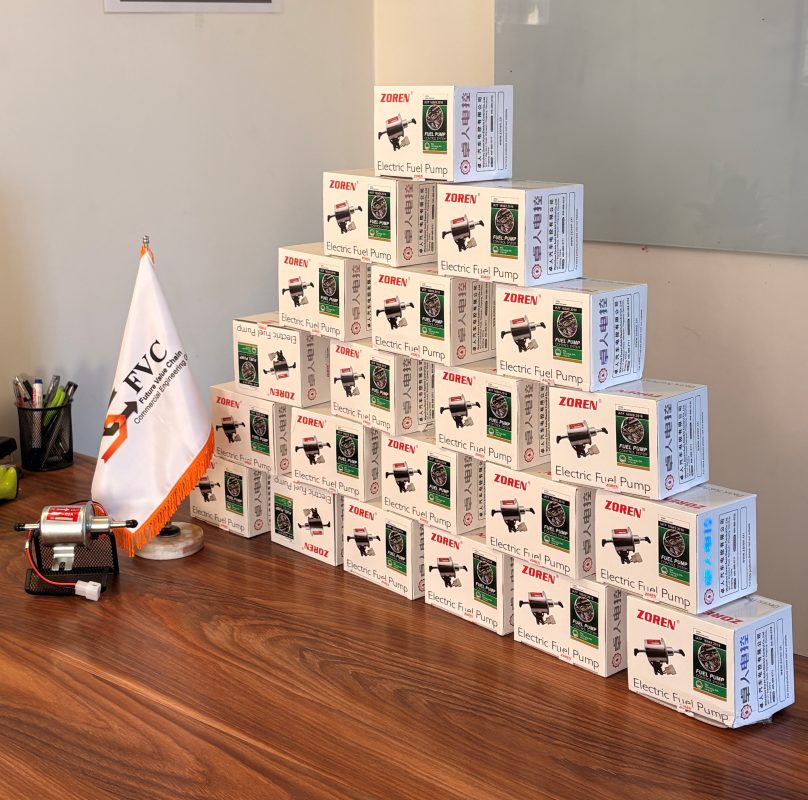
What Is an Automotive Fuel Pump and How Does It Work?
The automotive fuel pump is a key component of a vehicle’s fuel delivery system. It transfers fuel from the tank toward the engine and helps maintain the fuel flow required by the system.
Its proper operation depends on several factors, including product design, manufacturing quality, compatibility with the vehicle’s fuel system, and compliance with technical specifications.
Why Is the Fuel Pump Important?
An improperly functioning fuel pump can interfere with the delivery of the fuel required by the engine. This makes the quality and reliability of the component important to the overall performance of the fuel delivery system.
Some of its main functions include:
Transferring fuel from the tank to the engine
Providing the required fuel flow
Supporting the proper operation of the fuel delivery system
Operating in accordance with the vehicle’s technical requirements
What Is Reverse Engineering in Automotive Parts Manufacturing?
Reverse engineering is a technical approach used to examine and understand an existing product. It involves analyzing the product’s structure, components, dimensions, and technical characteristics to obtain information that can support its design, reproduction, or further development.
In the automotive industry, reverse engineering can help manufacturers and commercial companies better understand components and establish a foundation for production cooperation.
Key Stages of Reverse Engineering
Depending on the type and complexity of the component, the process may involve several stages:
Initial Product Inspection: Examining the product’s structure, components, and operating principles.
Technical Specification Analysis: Reviewing dimensions, construction, connections, and required characteristics.
Design Information Preparation: Converting technical findings into information that can be used for product design and manufacturing.
Manufacturer Coordination: Sharing technical specifications and production requirements with the manufacturing partner.
Manufactured Product Evaluation: Reviewing the final product to assess its compliance with the defined requirements.
The Role of Chinese Manufacturing Partnerships in Automotive Component Development
International cooperation with manufacturers can create opportunities for companies involved in automotive parts sourcing and supply.
However, selecting a manufacturing facility is only one part of the process. Accurate technical communication, coordination with production teams, manufacturing follow-up, and final product evaluation are equally important.
Key factors in successful manufacturing cooperation include:
Selecting a manufacturer that matches the product’s technical requirements
Communicating design specifications accurately
Maintaining coordination between technical and manufacturing teams
Reviewing samples and manufactured products
Evaluating product compliance with the defined specifications
This approach helps connect technical knowledge, manufacturing capabilities, and market requirements.
From Design to Market: The Development of an Automotive Fuel Pump
Developing a new product involves much more than the design stage. Bringing a product to market requires several technical, manufacturing, and commercial activities to work together.
In FVC’s recent project, the process began with reverse engineering and a detailed analysis of the fuel pump’s technical specifications.
Following this stage, FVC worked with a reputable Chinese manufacturer to move the product through the design and manufacturing process.
The product is now ready for introduction to the Iranian market.
This project demonstrates how technical analysis, international cooperation, and manufacturing coordination can come together to address market needs in the automotive parts sector.
Why Quality Matters in Fuel System Component Manufacturing
Components used in vehicle fuel systems must be designed and manufactured according to the relevant technical specifications and operating requirements.
For automotive fuel pumps, important considerations include material quality, manufacturing precision, compatibility with the vehicle’s fuel system, and compliance with the required specifications.
Evaluating the manufactured product can also help identify potential discrepancies and assess whether the final component meets the defined requirements.
Reliable quality is not achieved through a single step. It is the result of attention to detail throughout the entire product development and manufacturing process.
FVC’s Role in Automotive Parts Development and Sourcing
Future Value Chain (FVC) operates in commercial engineering, international sourcing, and cooperation with manufacturing networks.
In the automotive fuel pump project, FVC combined reverse engineering and technical specification analysis with cooperation from a Chinese manufacturer to support the product’s design and manufacturing process.
This project demonstrates that product development can go beyond traditional purchasing and trading activities. It can involve understanding market needs, analyzing technical requirements, connecting with suitable manufacturers, and preparing products for market introduction.
Through international cooperation and its commercial engineering approach, FVC aims to create value across supply chains and develop business solutions that respond to market requirements.
Frequently Asked Questions About Automotive Fuel Pump Production
What does an automotive fuel pump do?
An automotive fuel pump transfers fuel from the vehicle’s tank toward the engine and helps provide the fuel flow required by the fuel delivery system.
How is reverse engineering used in automotive parts manufacturing?
Reverse engineering helps analyze an existing product’s structure and technical specifications. The resulting information can support product design, reproduction, or further development.
Why do automotive companies cooperate with international manufacturers?
Working with international manufacturers can provide access to relevant production capabilities and technical expertise. Selecting suitable partners and maintaining effective technical communication are important parts of this process.
What factors affect automotive fuel pump quality?
Important factors include material quality, design and manufacturing precision, compatibility with the fuel system, and compliance with technical specifications.
Has FVC been involved in automotive fuel pump production?
Yes. In this project, FVC carried out reverse engineering and technical specification analysis before cooperating with a reputable manufacturer in China to develop and manufacture the fuel pump. The product is now ready for the Iranian market.
From Technical Expertise to Value Creation in the Automotive Market
Developing reliable products requires a combination of technical knowledge, market understanding, suitable manufacturing partners, and continuous attention to production requirements.
FVC’s automotive fuel pump project is an example of this approach: a process that began with reverse engineering and progressed through international manufacturing cooperation to a product ready for the Iranian market.
Future Value Chain (FVC) welcomes cooperation with manufacturers, suppliers, and businesses in the automotive parts industry to explore new manufacturing and commercial opportunities.