


Natural Stone Production: The Importance of Factory Oversight and Quality Control
The quality of natural stone products depends on more than the characteristics of the raw material. Processing methods, production accuracy, and continuous factory oversight all play important roles in achieving a reliable final product.
In the natural stone industry, maintaining consistent quality requires attention at every stage of production. From raw material selection to cutting, finishing, inspection, and final preparation, each operation can influence the quality and appearance of the finished stone.
For this reason, regular factory visits and direct operational reviews are valuable ways to evaluate production activities, identify improvement opportunities, and ensure that quality standards are maintained.
Why Is Monitoring Natural Stone Production Important?
Natural stone production involves several specialized processes that influence the appearance, dimensions, quality, and usability of the final product.
Monitoring these processes allows management teams to evaluate ongoing operations, identify potential issues, and ensure that production activities are carried out as expected.
Key benefits of production oversight include:
Reviewing equipment and machinery performance
Evaluating product quality throughout production
Identifying operational issues and improvement opportunities
Maintaining product consistency
Improving production efficiency
Ensuring compliance with relevant quality requirements
Key Stages of Natural Stone Production and Processing
The production process may vary depending on the type of stone, factory equipment, and final product specifications. However, several key stages are common across many natural stone processing facilities.
1. Raw Material Inspection and Selection
The quality of raw stone is one of the factors that influences the final product.
At this stage, characteristics such as stone type, color, texture, natural patterns, cracks, and structural condition may be evaluated.
Careful material selection can help reduce waste and support the production of higher-quality stone products.
2. Stone Cutting and Processing
After the raw material has been selected, it moves into the cutting and processing stage.
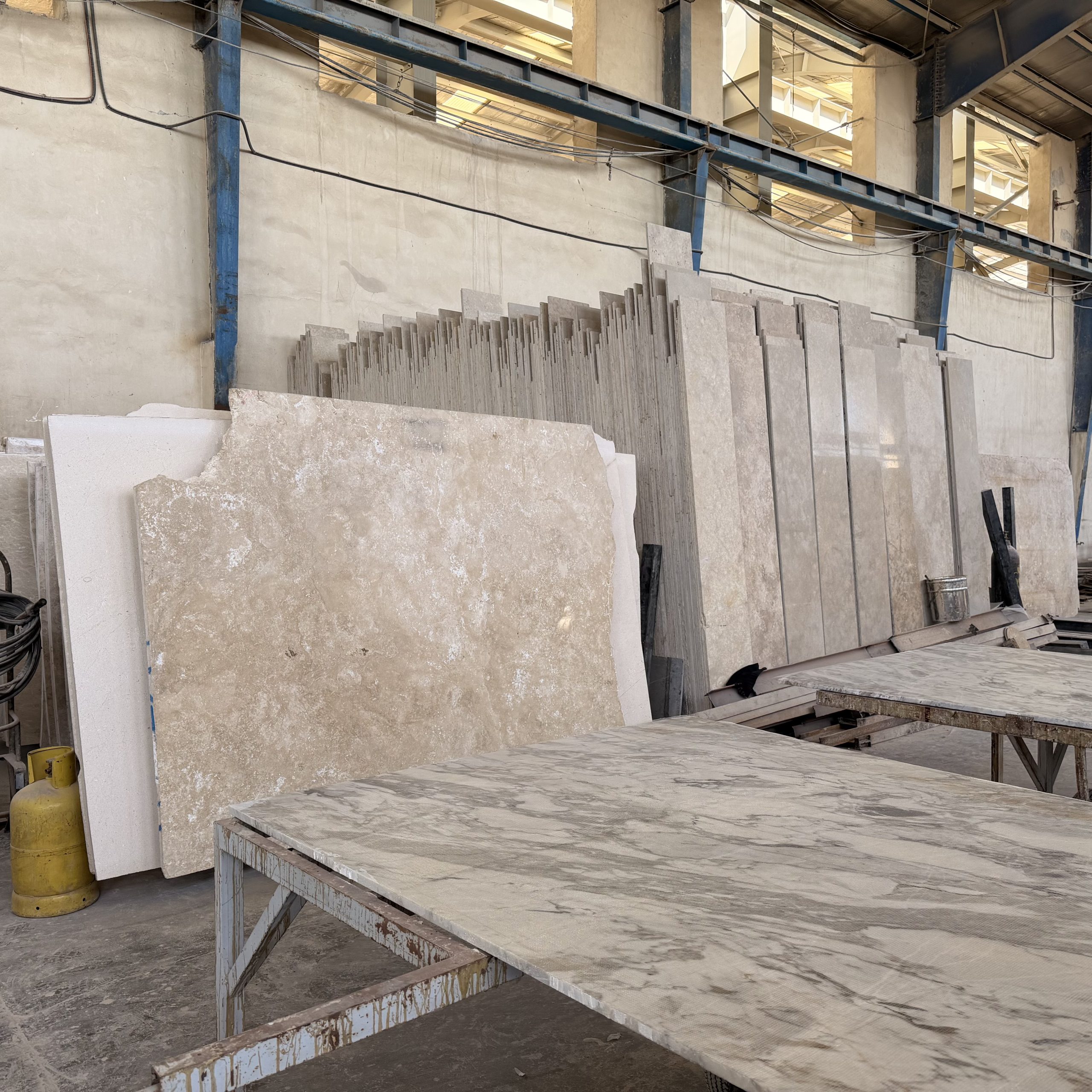
Stone blocks are cut into the required dimensions and thicknesses using suitable machinery and equipment.
Accurate equipment settings and proper cutting operations are important for achieving the required dimensional and visual characteristics.
3. Surface Finishing
Following cutting, the stone surface is processed according to the intended application and product specifications.
Finishing methods may include polishing, honing, or other surface treatments. The appropriate method depends on the type of stone and the requirements of the target market.
4. Final Product Quality Control
Before packaging and shipment, finished products should be inspected against the required specifications.
Dimensions, thickness, surface appearance, finishing quality, and physical condition are among the factors that may be considered during product evaluation.
Quality inspections at this stage help identify defects and maintain consistency across the finished shipment.
5. Packaging and Preparation for Transportation
Natural stone products require suitable packaging and careful handling due to their weight and physical characteristics.
Proper packaging can reduce the risk of damage during storage and transportation. Preparing shipments correctly is also an important part of the natural stone supply and export process.
The Role of Quality Control in Natural Stone Manufacturing
Quality control should not be limited to inspecting products at the end of the production line. An effective quality management process involves monitoring different stages of manufacturing.
Inspecting raw materials, reviewing cutting and finishing operations, and evaluating finished products can help identify potential issues at an earlier stage.
Consistency is particularly important in international markets. Buyers and importers generally expect natural stone products to match the agreed specifications and the requirements of their orders.
Continuous production monitoring can therefore support customer confidence and contribute to stronger long-term business relationships.
Factory Visits: A Practical Approach to Operational Improvement
Production reports and performance data are essential for evaluating factory operations. However, direct visits to production facilities provide an additional level of insight.
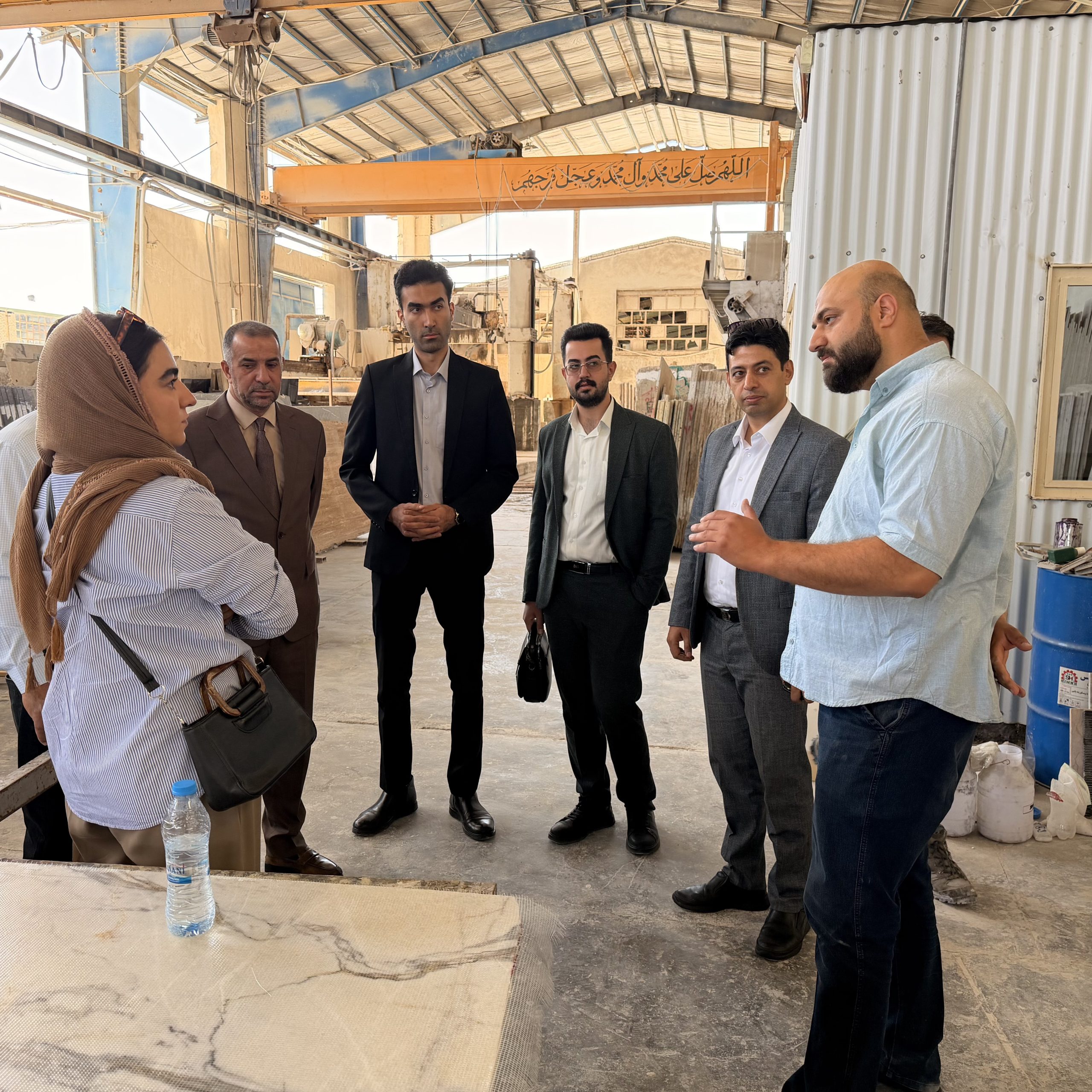
During an operational visit, teams can observe actual production conditions, review equipment, communicate with employees, and evaluate different stages of the manufacturing process.
These visits help identify potential areas for improvement and strengthen communication between management and production teams.
Being directly involved in operational reviews also gives decision-makers a clearer understanding of production capabilities and challenges.
How Production Oversight Supports Natural Stone Exports
In international natural stone trade, product quality is only one part of a successful export operation. Order preparation, product consistency, suitable packaging, and transportation coordination are equally important.
For natural stone exporters, production monitoring can help with:
Ensuring products match customer specifications
Maintaining consistent quality across export shipments
Reducing the likelihood of product defects or discrepancies
Improving coordination between production and shipment
Strengthening confidence among international buyers
Attention to these factors can support more reliable business relationships and create opportunities for cooperation in international markets.
FVC’s Approach to Natural Stone Production Oversight
At Future Value Chain (FVC), staying closely connected to operational activities is an important part of delivering reliable solutions to global markets.
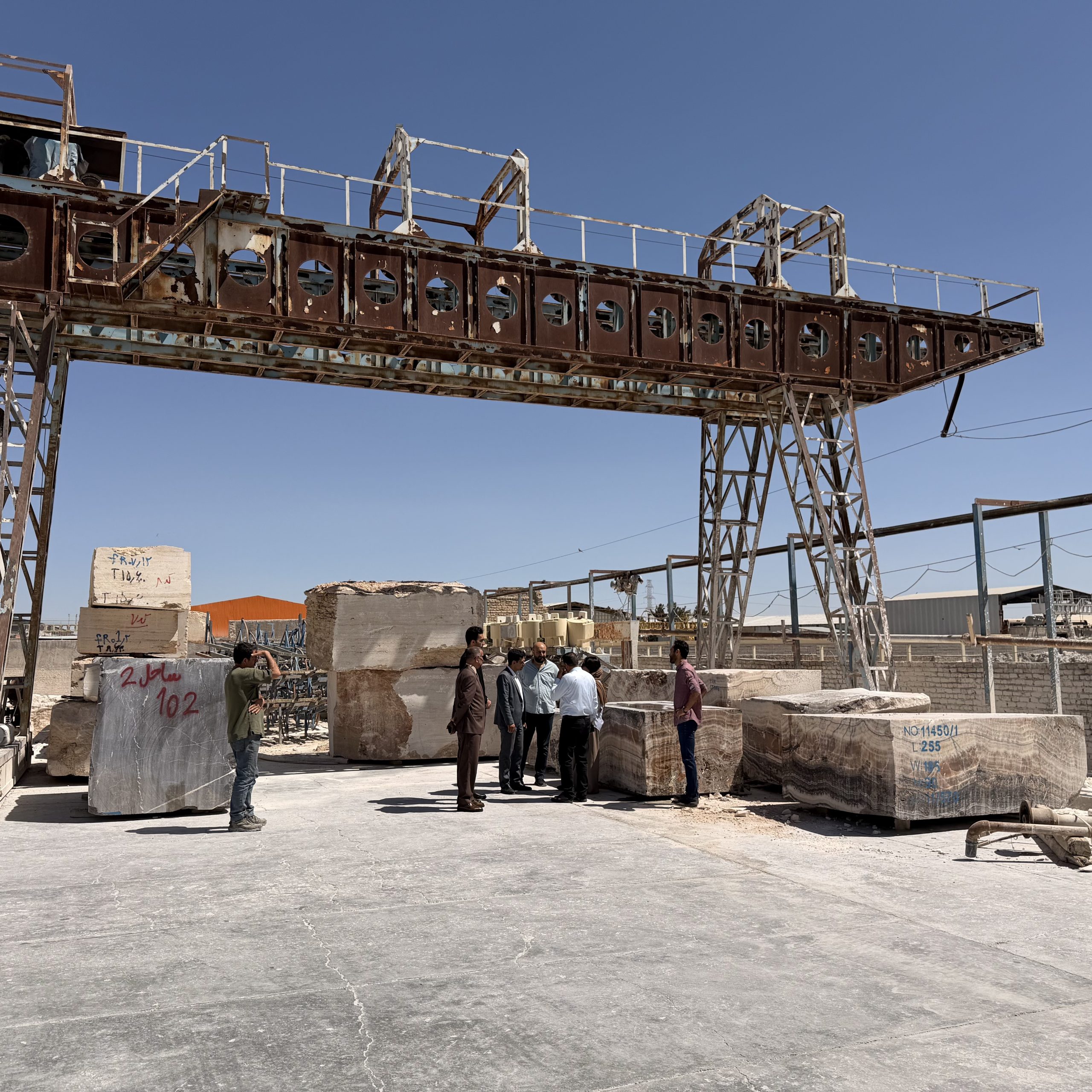
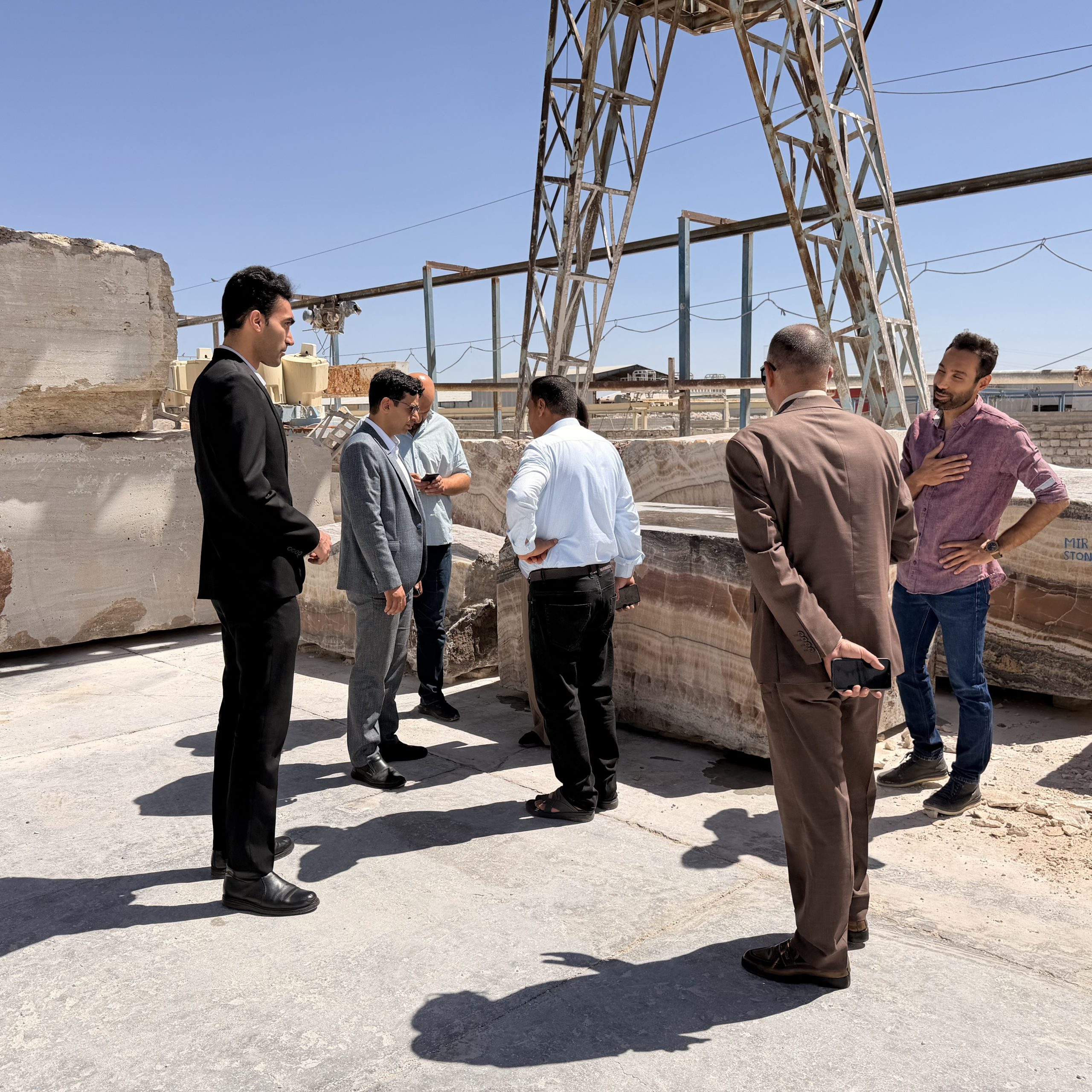
During a recent visit, the FVC team visited its natural stone production facility to review ongoing operations, evaluate production processes, and ensure that quality standards continue to be maintained throughout different stages.
The visit provided an opportunity to assess current activities and maintain a direct connection with the production process.
By remaining closely involved in manufacturing operations, FVC focuses on improving efficiency, maintaining product consistency, and creating long-term value throughout the natural stone supply chain.
Frequently Asked Questions About Natural Stone Production and Quality Control
What are the main stages of natural stone production?
Natural stone production generally includes raw material selection, cutting, surface finishing, quality inspection, packaging, and transportation preparation. Specific processes depend on the stone type and final product.
Why is quality control important in a stone factory?
Quality control helps identify defects, verify product specifications, maintain consistency across shipments, and ensure that finished products meet customer requirements.
How do factory visits contribute to production quality?
Direct factory visits allow teams to observe actual production conditions, review equipment, evaluate processes, and identify opportunities for improvement. This supports better operational oversight and quality management.
What factors affect the quality of natural stone products?
Important factors include raw material characteristics, cutting methods, processing equipment, surface finishing, dimensional accuracy, handling, and packaging.
Why is product consistency important in natural stone exports?
Consistent product quality helps ensure that shipments match customer specifications and strengthens trust between suppliers, buyers, and international business partners.
Consistent Quality Through Continuous Oversight
Producing high-quality natural stone products depends on several connected factors, from raw material selection and processing to quality inspection and shipment preparation.
Continuous operational monitoring and close coordination with production facilities help maintain standards, improve efficiency, and create long-term value.
Future Value Chain (FVC) focuses on product quality and operational oversight while developing commercial cooperation and delivering natural stone products to global markets.
Connect with the FVC team to explore opportunities in natural stone sourcing and export.
Connecting Markets, Creating Value.